
The Woodworker's Dojo
Learn the Craft.
Practice the Skill.
Become Capable.
Practical education in woodworking, carpentry, and the skilled crafts — built on knowledge, disciplined practice, personal responsibility, cooperation, and demonstrated ability.
Why It Exists
“We're still here. We're just not that young anymore.”
More than thirty years ago, while running two framing crews and trying to hire more carpenters, I struck up a conversation with another framing crew leader.
I asked if he remembered driving into new housing developments only a few years earlier and seeing houses covered with young carpenters — almost like anthills covered with ants.
He remembered.
I asked, “Where did all those young guys go?”
“We're still here. We're just not that young anymore.”
I saw the shortage coming. I pursued the idea of a carpentry school and argued that “carpentry” was too broad to be treated as one enormous subject. Framing is a discipline. Doors and trim are disciplines. Cabinetry is a discipline. Furniture is a discipline. Each deserves to be learned properly.
Read the full story →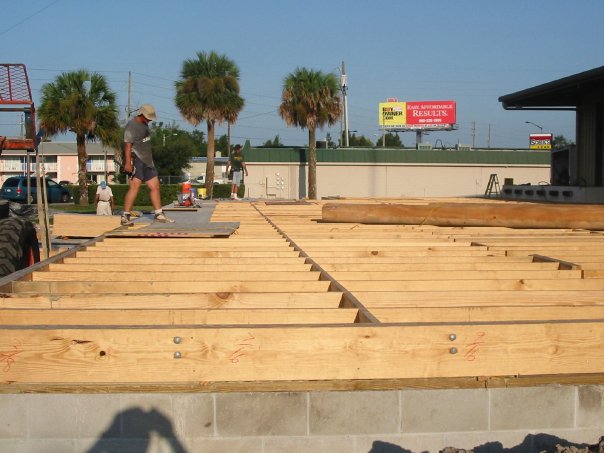
Why It Matters Now
The need is not theoretical.
The work exists. Qualified people remain difficult to find, and a generation of experienced craftspeople is aging out of the workforce.
The Dignity of Craft
Work of the hands is not lesser work.
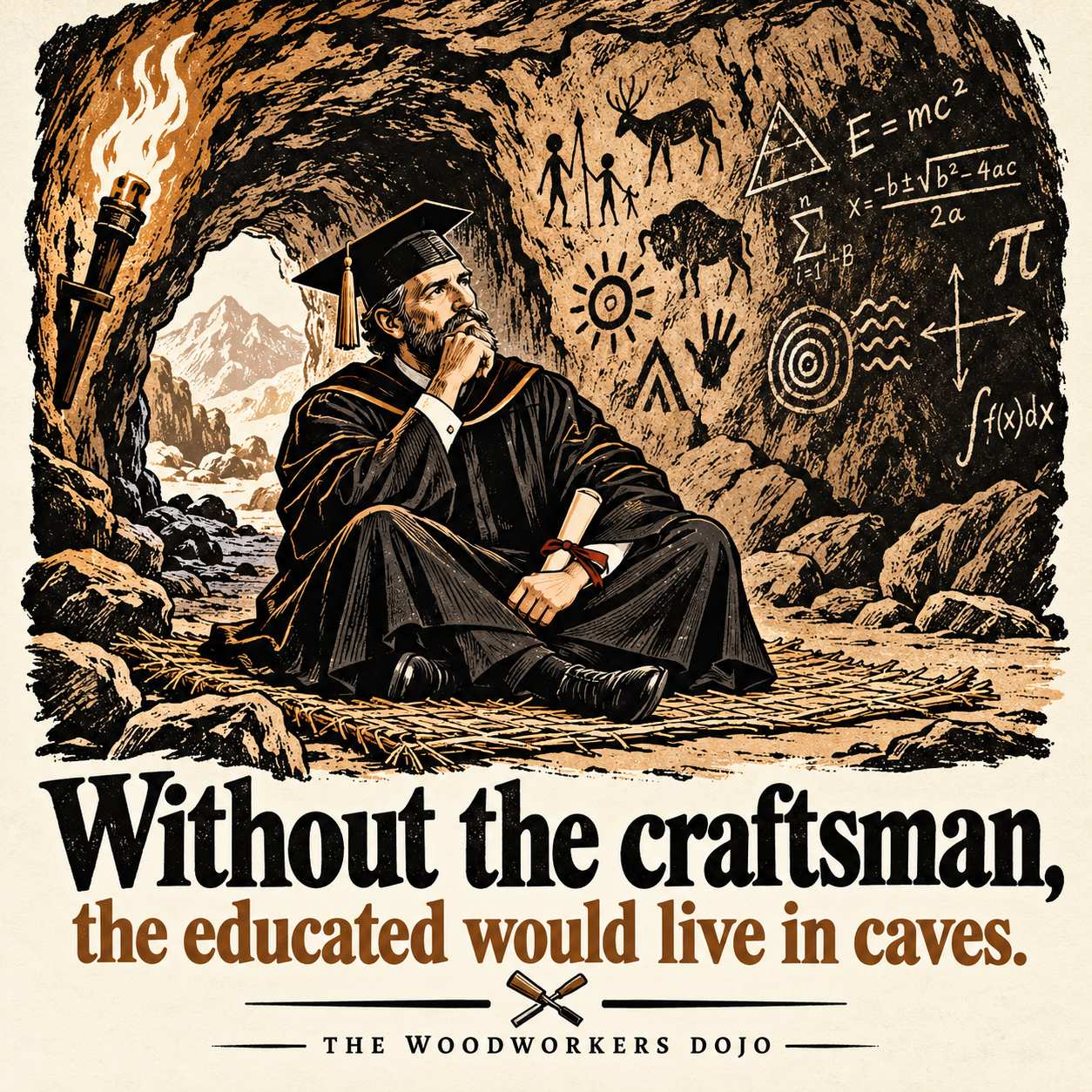
For too long, skilled manual work has been treated as somehow beneath “higher” education. We reject that idea.
A craftsman measures, calculates, visualizes, solves problems, understands materials, controls tools, adapts to changing conditions, and creates something that did not exist before.
There is dignity in competence. There is pride in accomplishment. There is meaning in creating something useful, durable, and beautiful.
The Woodworker's Dojo exists not merely to produce workers, but to help restore the cultural value of craftsmanship.
How the Dojo Works
Knowledge → Fingertips → Proficiency
It is not enough to take the class. You must be able to do the work.
Learn
Recorded lessons, demonstrations, diagrams, reading, math, plans, materials and safety.
Understand
Short quizzes establish comprehension before the corresponding shop lab.
Bring It to the Fingertips
Come to the Dojo and turn knowledge into physical ability under supervision.
Practice
Perform the task. Correct the mistake. Repeat. Develop consistency, precision and efficiency.
Demonstrate
Perform safely and independently to an established standard.
Earn Proficiency
Completion means more than attendance. It means: I can do the work.
The Foundation
Before specialization comes capability.
A beginner may enter with little or no experience. That is not a problem. We start at the beginning and build correctly.
Personal Responsibility
Know the work, recognize the hazards, protect yourself and everyone who enters the zone.
Shop & Jobsite Safety
OSHA awareness, governing standards, PPE, machine safety, fire, dust, chemicals, ladders and material handling.
Construction Math
Fractions, decimals, dimensions, radius, diameter, angles, conversions and practical geometry.
Measuring & Layout
Read the tape, establish reference lines, square, level, plumb, and transfer dimensions accurately.
Hand Tools
Selection, sharpening, control, maintenance and proper use.
Handheld Power Tools
Safe setup, control, accuracy and appropriate application.
Benchtop Equipment
Setup, adjustment, guards, feeds and operating discipline.
Stationary Machinery
Safe use of major shop machines, material control and work-zone awareness.
Materials & Wood Behavior
Grain, movement, defects, sheet goods, lumber selection and material suitability.
Plan Reading & Evaluation
Understand the drawing — then ask whether the work can actually be built as shown.
Training Paths
Specialize without becoming narrow.
Learn your discipline deeply, while understanding the crafts that come before you, after you, and beside you.
Carpentry
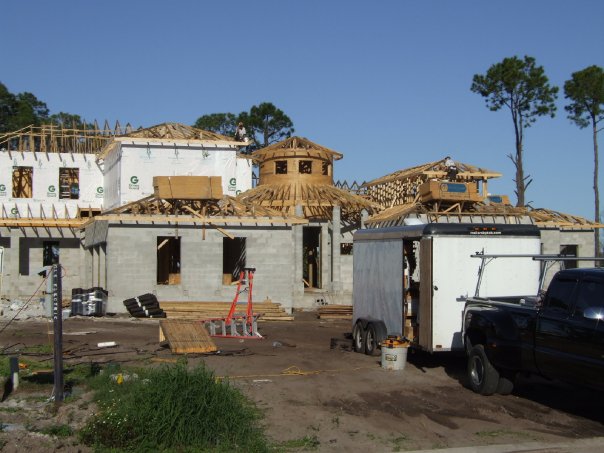
Form work, floor framing, wall framing, roofs, decking and exterior carpentry.
Doors & Trim
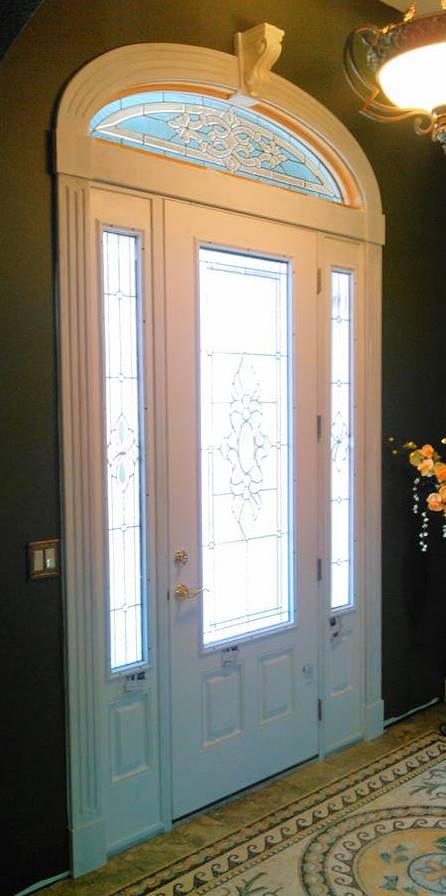
Doors, casing, base, crown, architectural trim and interior fitting.
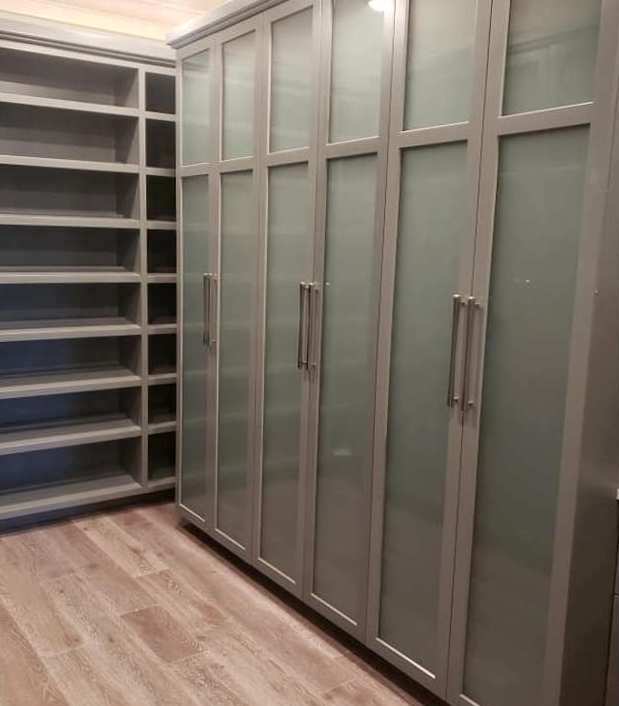
Cabinetmaking
Casework, doors, drawers, hardware, built-ins, fitting and installation.
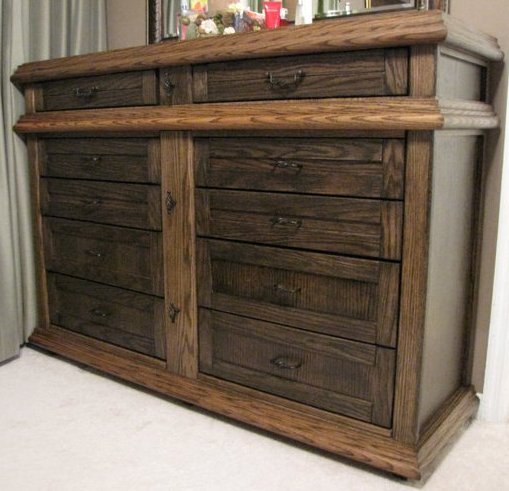
Furniture Making
Joinery, tables, cabinets, curved work, repairs and custom furniture.
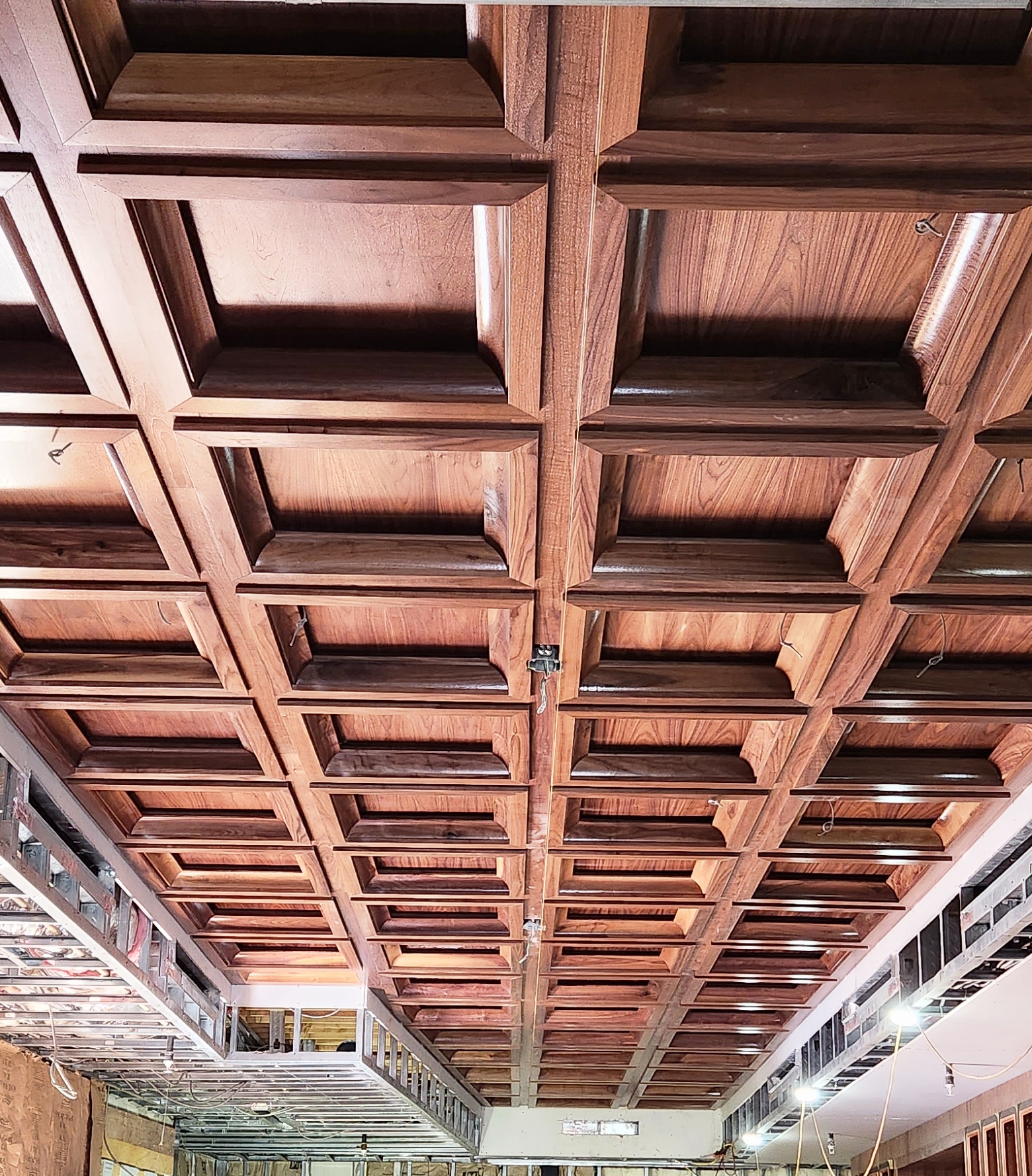
Architectural Millwork
Paneling, beam wraps, columns, mouldings, radius work and custom interiors.
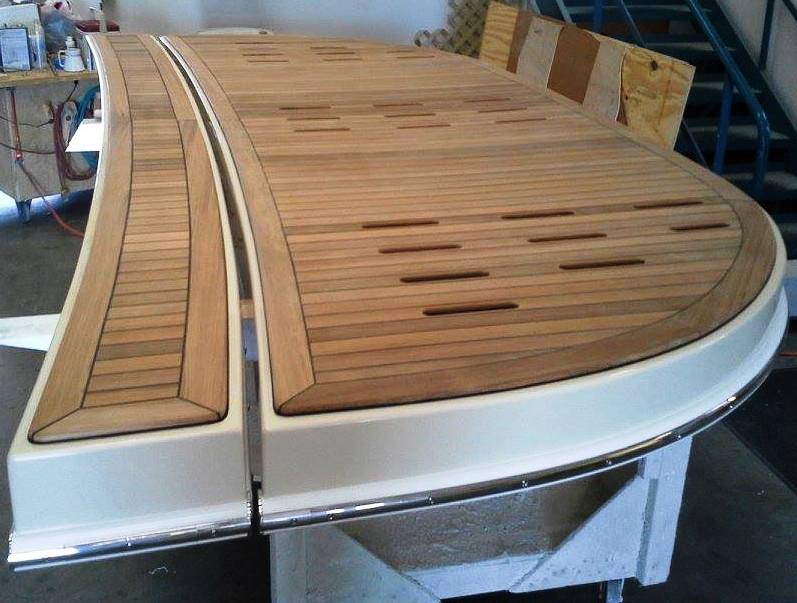
Yacht Carpentry
Templates, curves, marine materials, confined fitting, cabinetry and finish work.
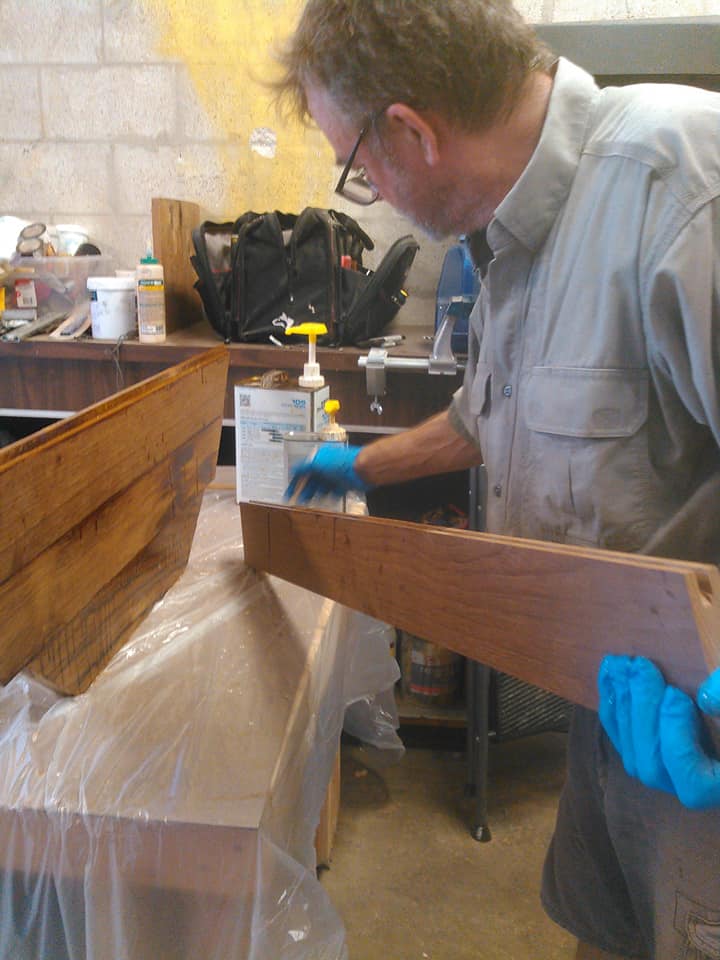
Finishing
Preparation, color, coatings, spraying, repair and touch-up.
Exploratory Workshops & Guest Crafts
Some crafts are explored openly with experienced guests and fellow students. We teach what we know, invite experts where our knowledge ends, and learn honestly.
Brotherhood of the Trades
We build the world together.
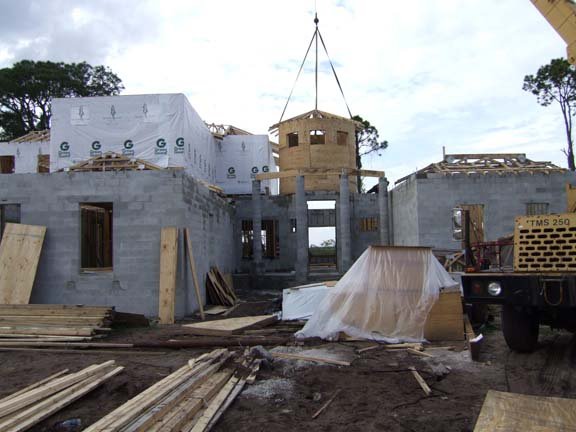
No skilled trade works in isolation. The framer creates the bones of the building. The electrician, plumber, HVAC mechanic, low-voltage technician, drywall installer, cabinetmaker, finish carpenter, painter, tile setter and every trade that follows works in relationship to that structure and to one another.
A kitchen sink needs plumbing — but it also needs a cabinet. The cabinet must fit the room. The countertop must fit the cabinet. Lighting and fixtures are part of the design and must coordinate with trim, mouldings and architectural details.
“I'm not framing a wall. I'm adding my skill and craftsmanship to the creation of a beautiful building.”
The electrician is not merely pulling wire. The plumber is not merely running pipe. The cabinetmaker is not merely building boxes. Each craftsman contributes to the whole.
Leave the work ready for the next craftsman.
If the person beside you needs help,
the work becomes ours.
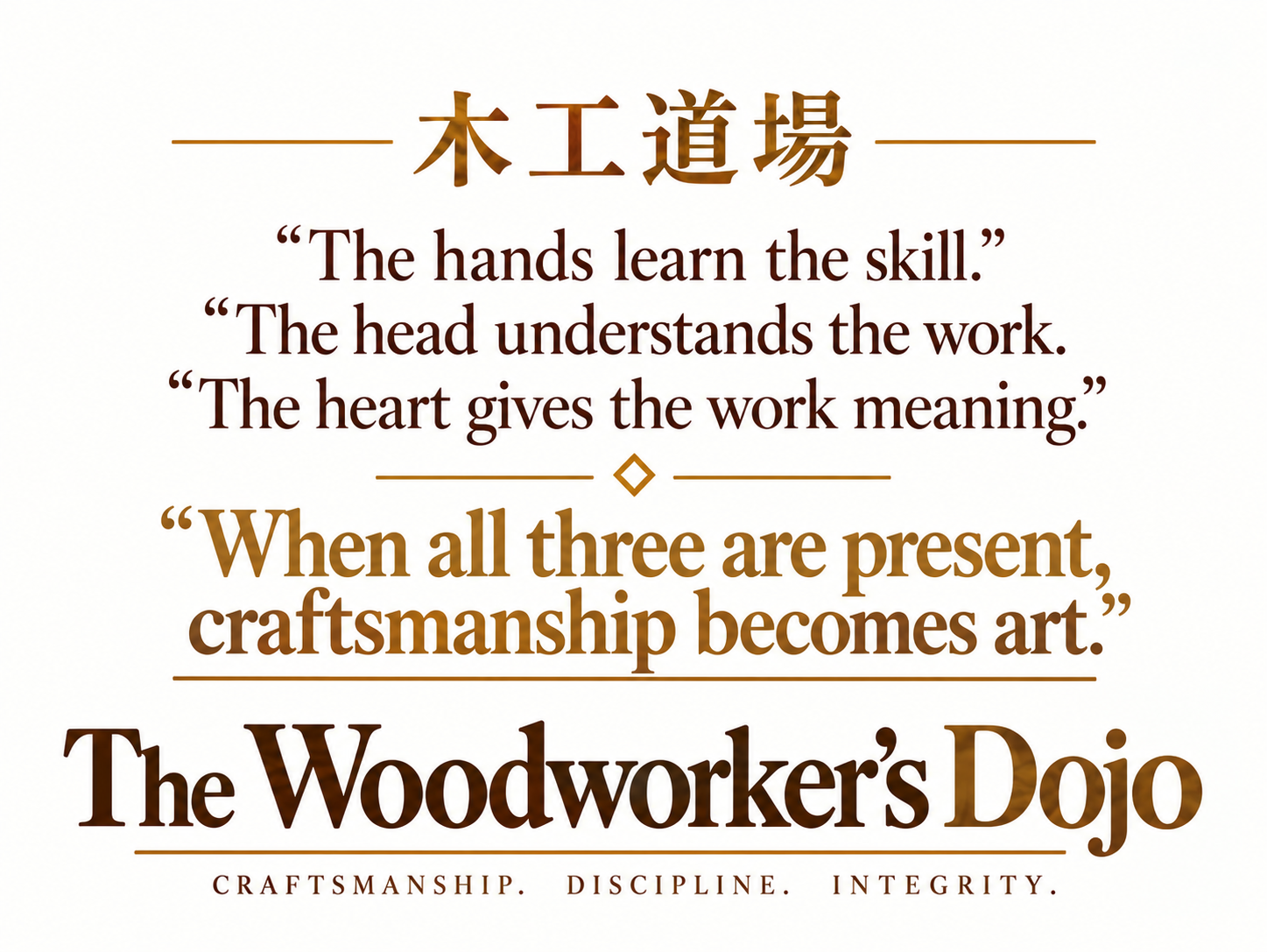
Hands. Head. Heart.
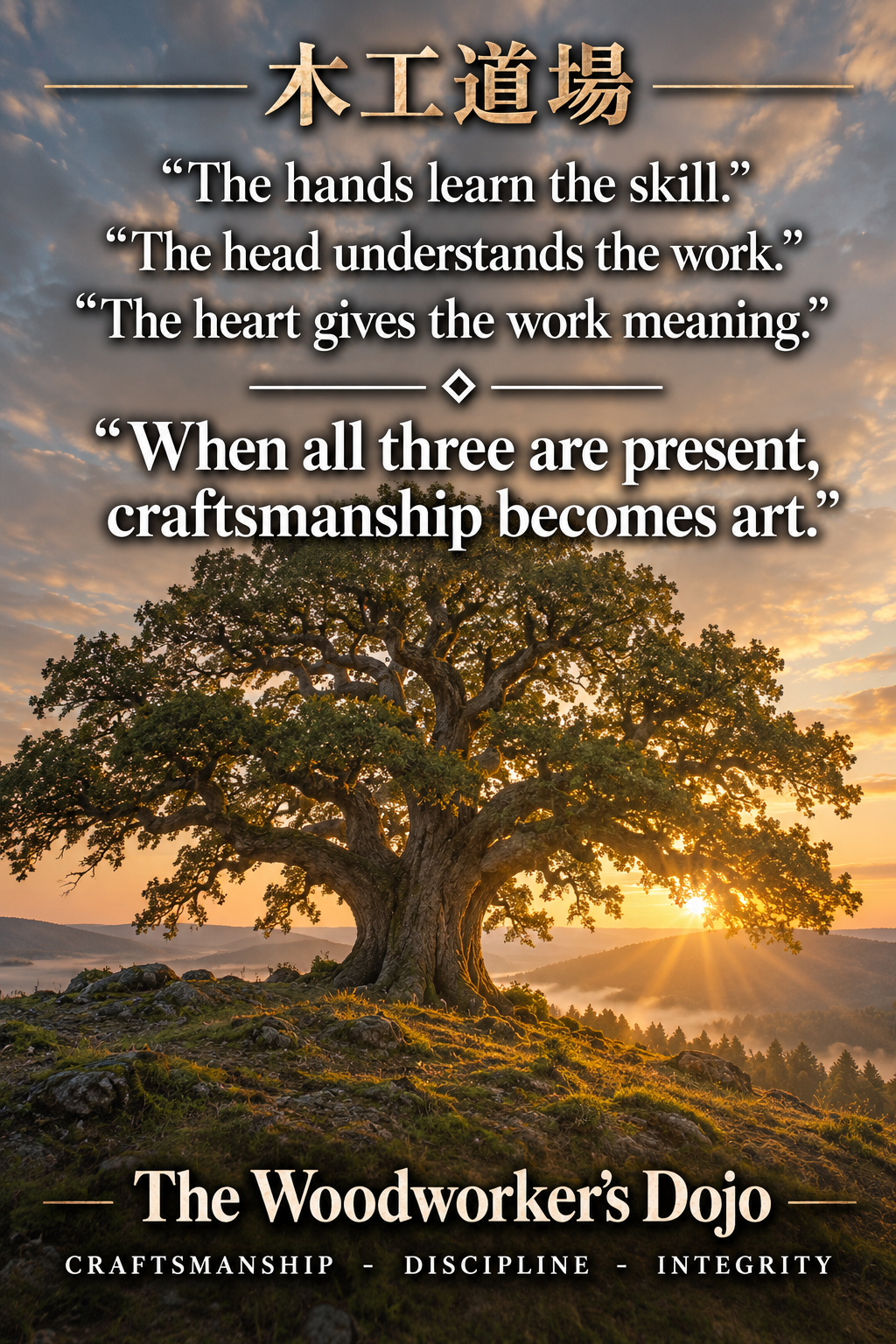
Craftsmanship is more than technique.
Skill begins in the hands, but it does not end there.
The head brings judgment, planning, mathematics, problem solving, sequencing, and an understanding of materials.
The heart brings pride, patience, care, and respect for the person who will eventually live with the work.
When all three are engaged, the work becomes more than merely correct. It becomes intentional.
That is where craftsmanship begins to become art.
Craftsmanship · Discipline · Integrity
Founder's Work
Real work. Real experience.
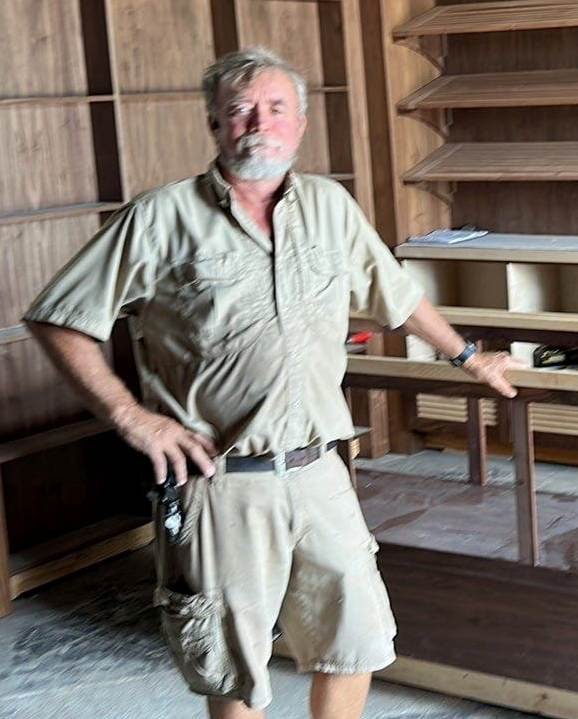
Meet Rick
Rick Clark
Founder — The Woodworker's Dojo
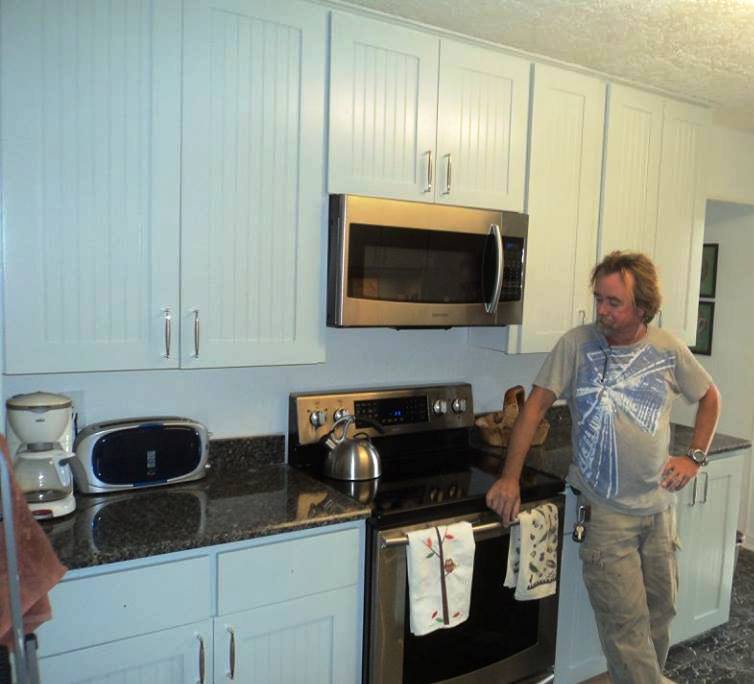
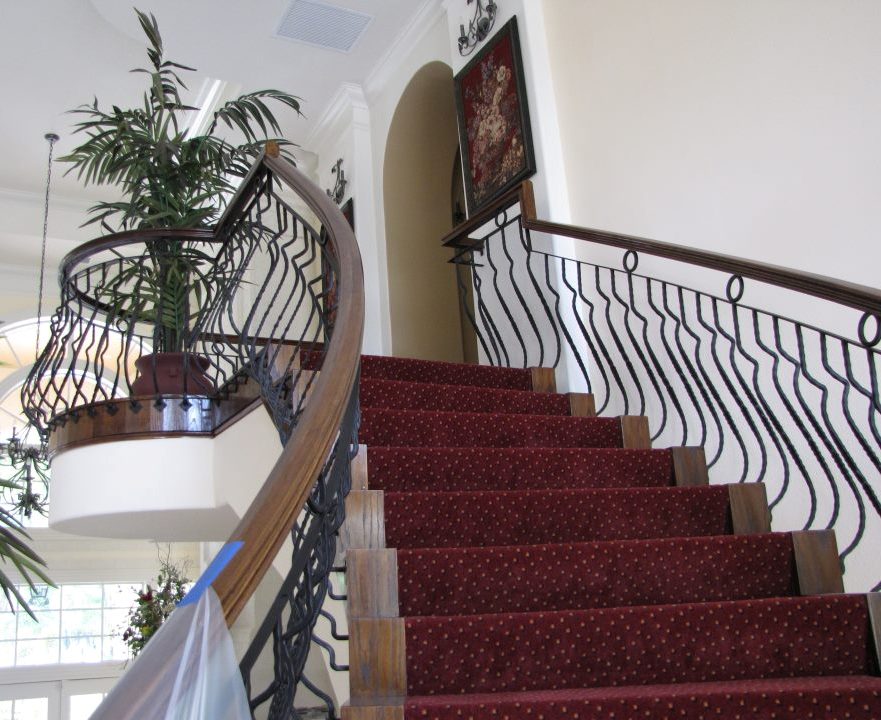
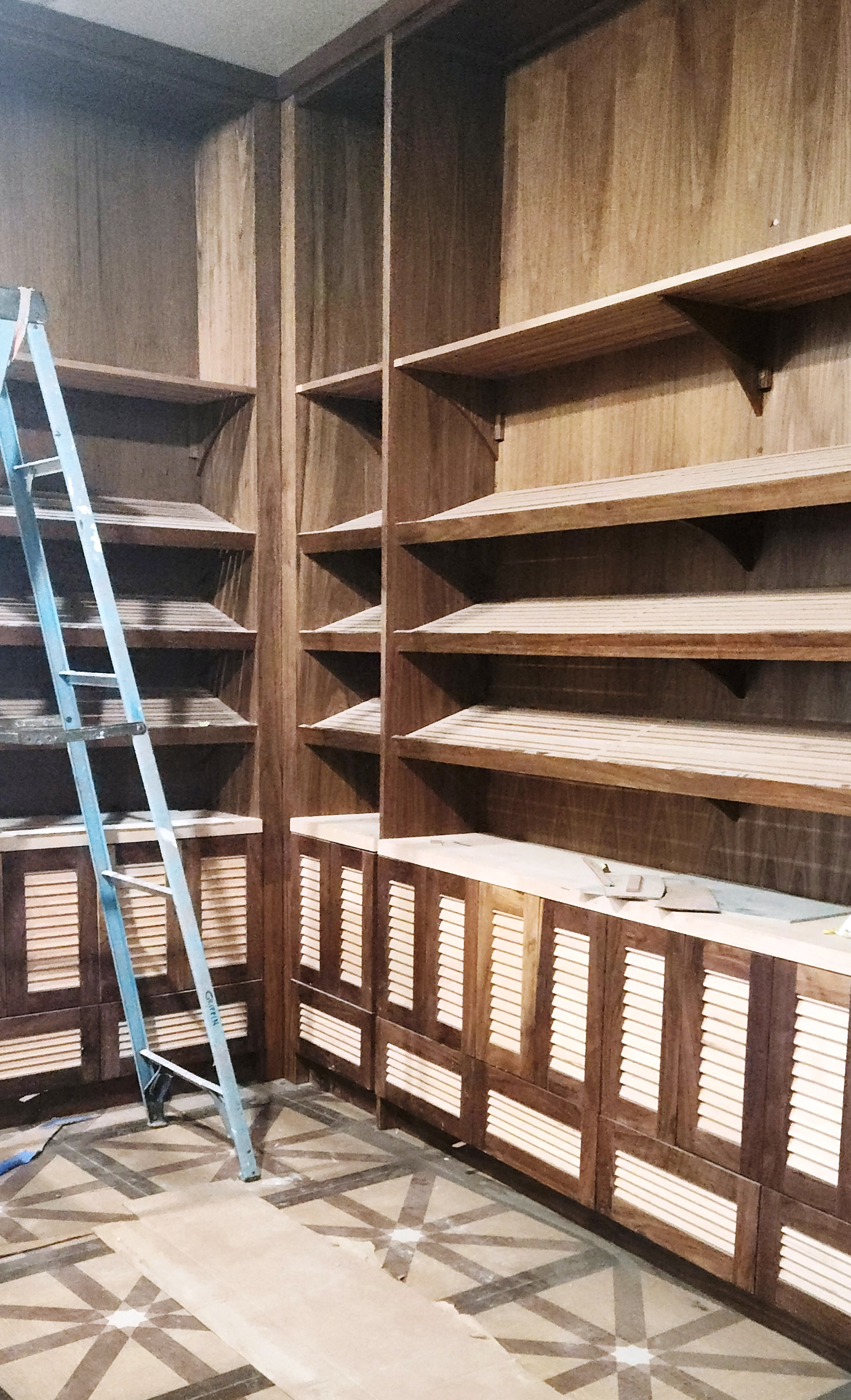
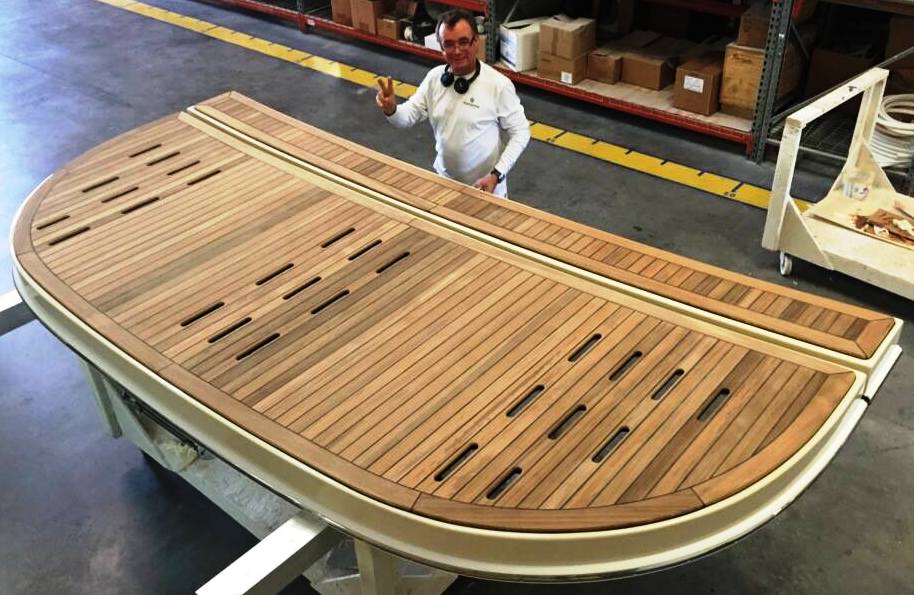
My first real tool belt and hammer went on in 1983. Since then I have worked through form building, framing, doors and trim, cabinetry, furniture, architectural millwork, yacht carpentry, finishing, installation, restoration, and a long list of problems that had to be solved with material, tools and judgment.
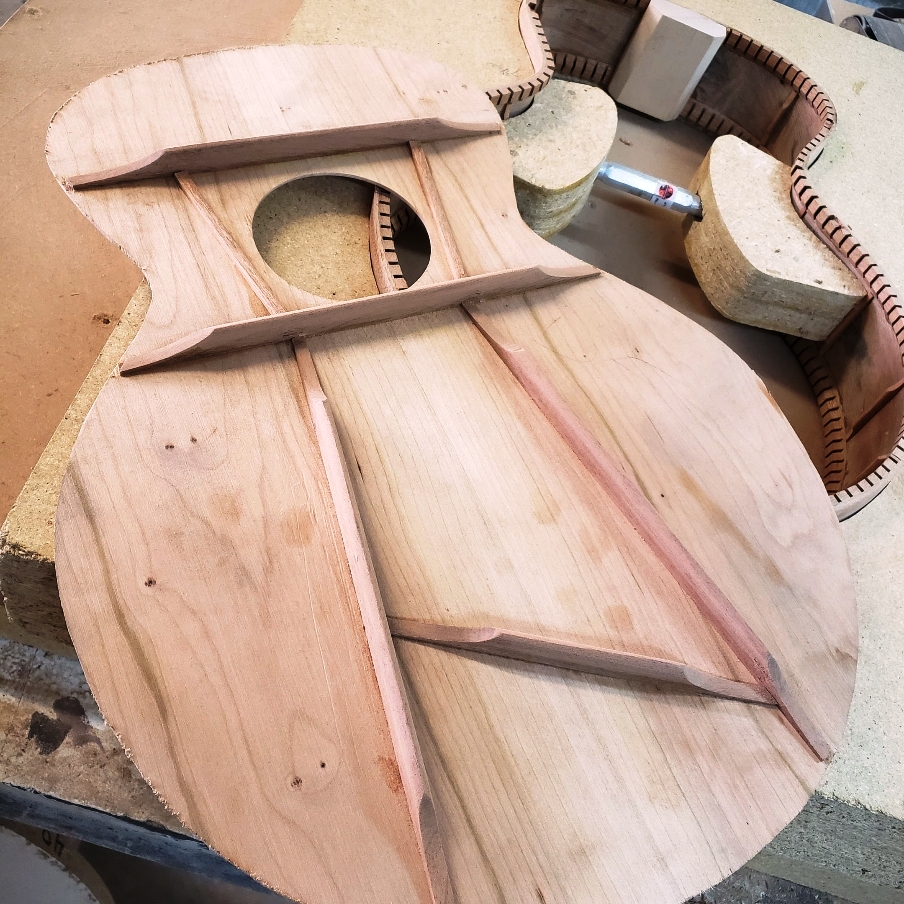
I have also explored crafts where I remain a student. I have built three guitars. One still sits in my shop as an education piece because it taught me, very visibly, what I did not yet understand about grain orientation and structural stress. I do not hide the cracks. I show them.
“I'm pretty good at what I do.”
The Woodworker's Dojo is about passing forward what I know, bringing in people who know what I do not, and creating a place where capable people help build capable people.
More about Rick →What We Are Building
A working school.
A place to learn. A place to practice. A place to become capable.
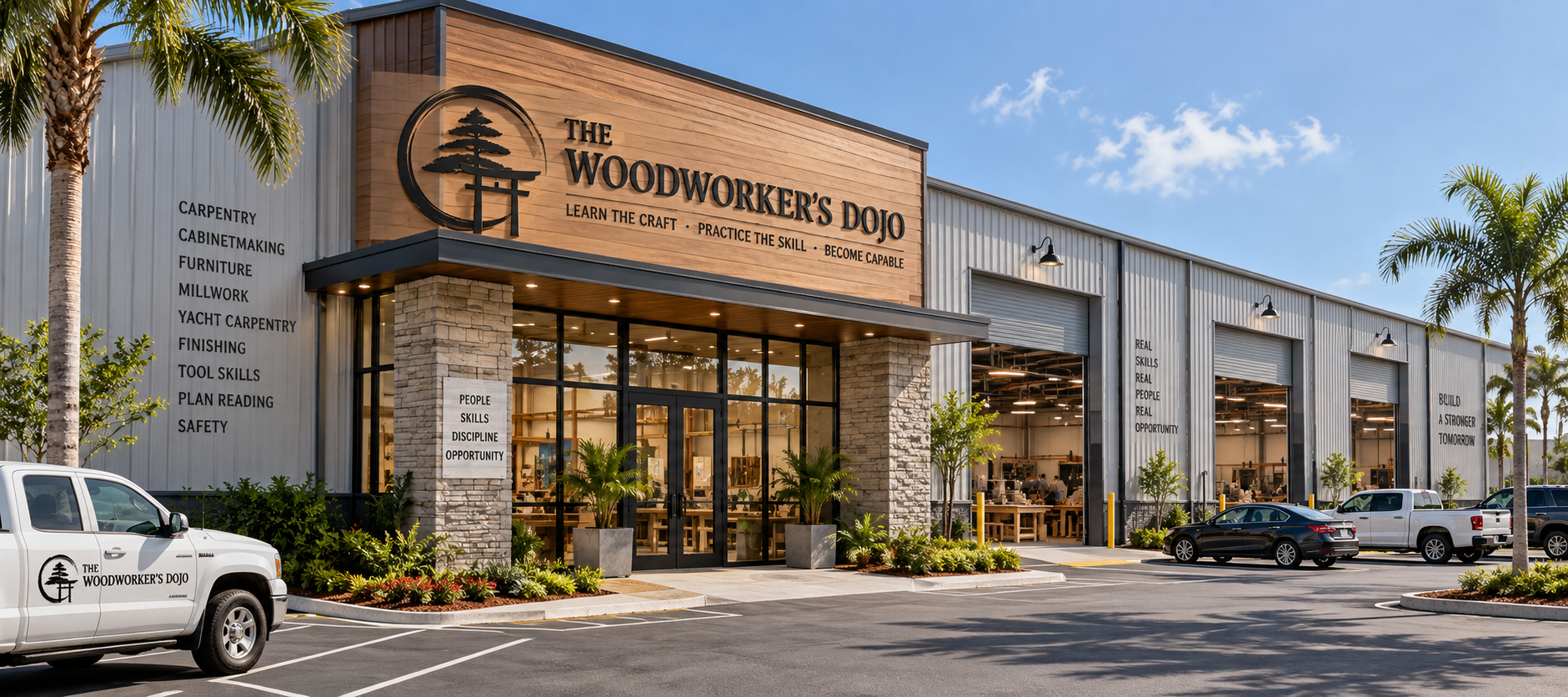
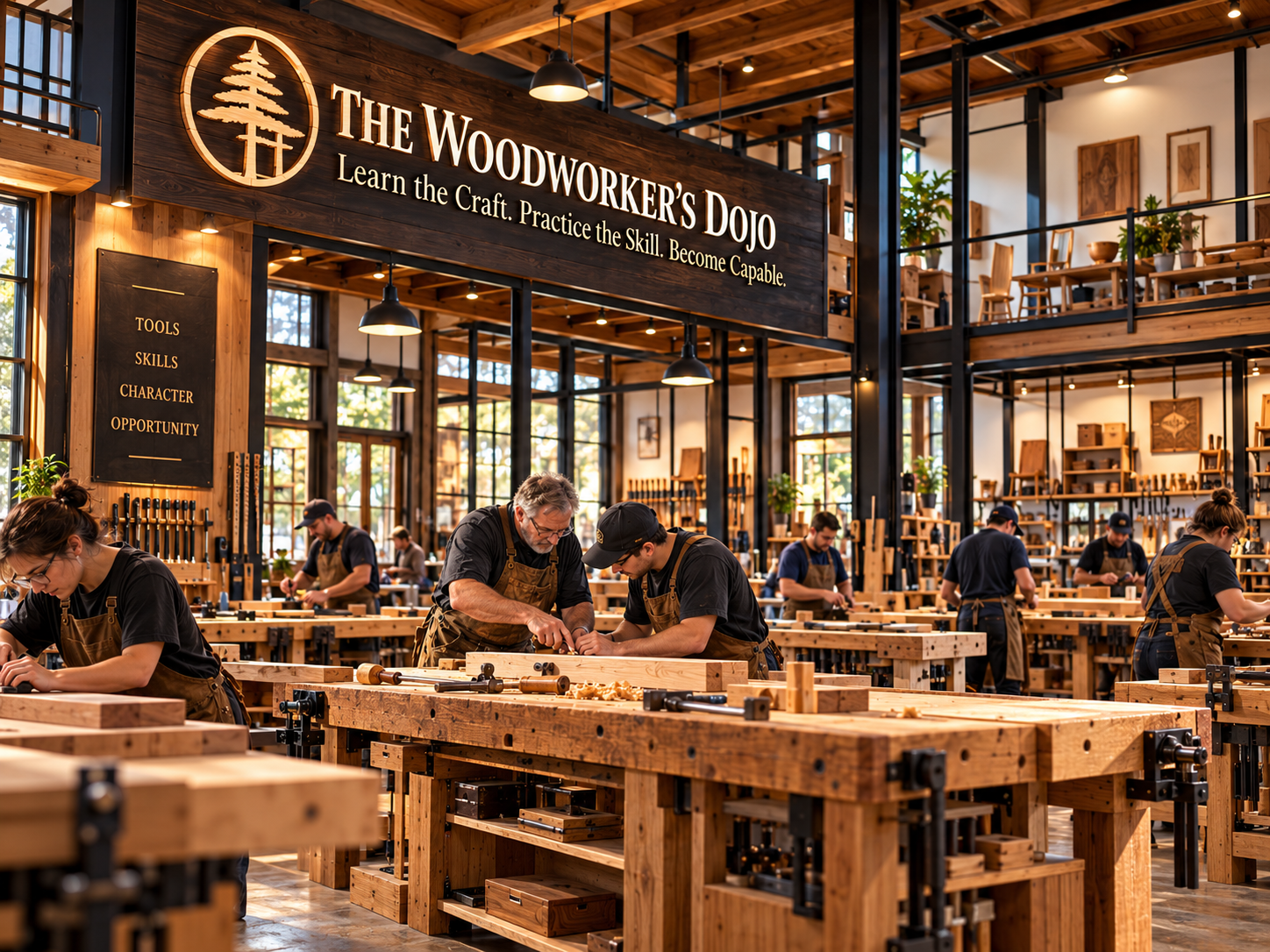
These are concept renderings — a vision of what the Dojo can become: real benches, real machinery, teaching areas, project space, classrooms, finishing areas, and room for craftsmen to work side by side.
Start Earlier
Weekend projects. Summer craft camps. Families building together.
The path to craftsmanship does not have to begin at eighteen. Future Dojo programming can include age-appropriate weekend projects, summer craft camps, parent-and-young-craftsman sessions, and introductory programs that let younger people discover the satisfaction of making something with their own hands.
These are future programs, not yet open for enrollment. They are part of the vision we are building.
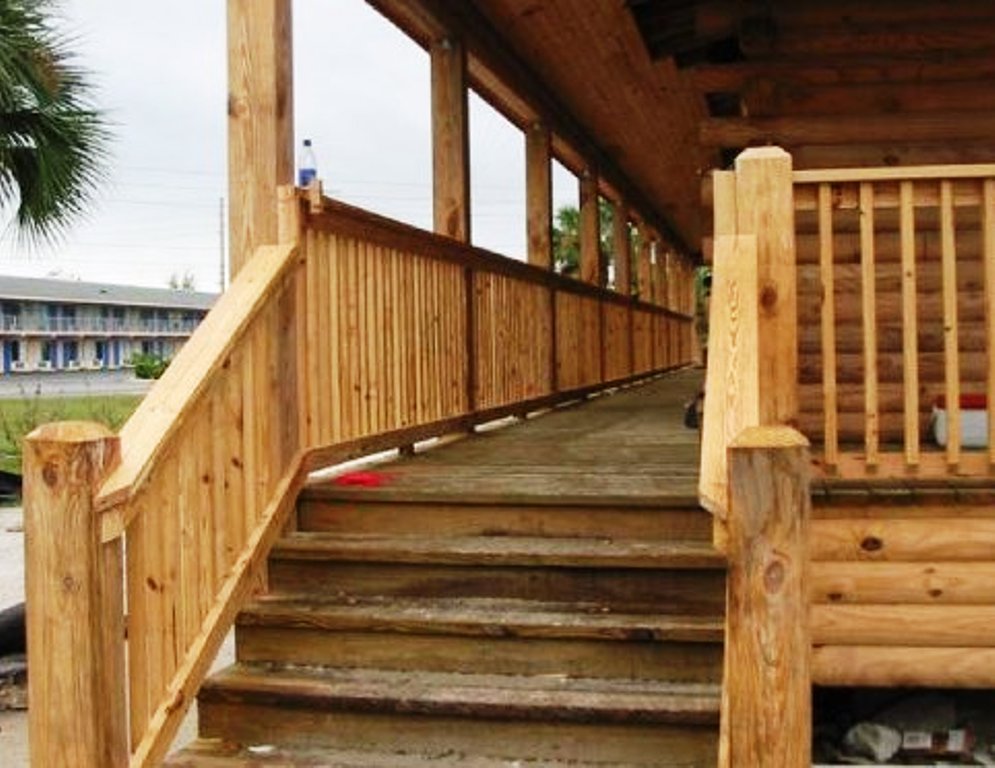
Get Involved
Help build the next generation of craftsmen.
Students
I want to learn practical skills and become capable.
I'm interested →Contractors
I need skilled people and want to help strengthen the pipeline.
Let's talk →Craftsmen & Instructors
I have knowledge worth passing forward. I can teach, mentor, demonstrate or advise.
Talk With Rick →Donors & Sponsors
I want to invest in people, tools, facilities and opportunity.
Help build it →Government / Workforce / Education
I want to discuss training, partnership, certification or workforce development.
Start a conversation →Supporters
I believe craftsmanship matters and want to help spread the message.
Join the movement →Dojo Goods
Wear the message.
Craftsmanship could use a little advertising. The Dojo campaign celebrates the people who build, grow, repair, wire, plumb, feed and maintain the world around us.
See the Collection
The tools are still here.
The knowledge is still here.
The work still needs to be done.
“We're still here. We're just not that young anymore.”
It is time to teach the next ones.
The Woodworker's Dojo
Learn the Craft. Practice the Skill. Become Capable.
I Want to Be Part of This